

$100 Oil and a 4% Drawdown. Something Has to Give.
Original analysis on the Hormuz closure with scenario modeling, sector positioning, and specific trade ideas.
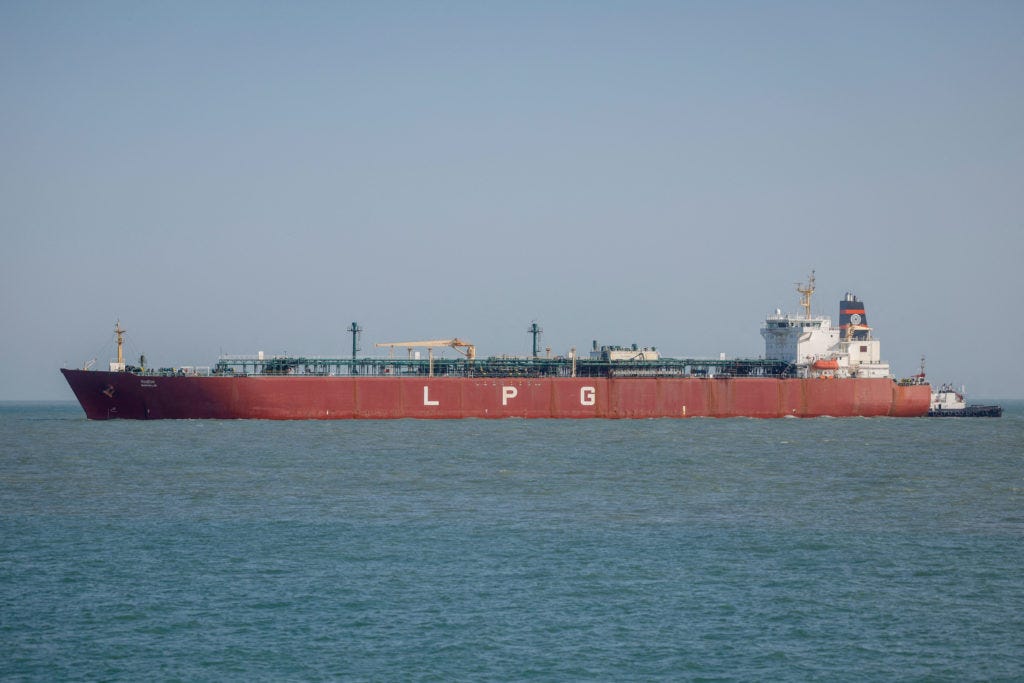
Oil is trading at roughly $100 a barrel. Three weeks ago it was $62. That is a 60% move in less than a month, driven by the largest physical disruption to global energy supply in history. And yet the S&P 500 has only fallen about 4% from its highs.
The disconnect that lies between these two realities: an expected covariance and a clear bifurcation of returns, is exactly where the most important story exists. Equity markets are betting on a fast resolution. Traders see the two-week deadline that President Trump has set for Iran to reopen the Strait, they see the IEA’s 400-million-barrel emergency reserve release, and they conclude that this ends before it gets worse. The price of oil is reflecting the disruption in the Strait of Hormuz, but it appears that expected follow-through effects of that price change in crude on other assets is nowhere to be found. The general asset economy is operating on the assumption that all will be resolved, otherwise known as, “there’s no way it can really get THAT bad.” This is a common fallacy / mental error made during moments of unprecedented disruption like COVID-19 and the ‘08 crisis – a disbelief in what is becoming abundantly obvious and logical, but what feels impossible and extremely improbable based on our fickle human historical record.
We want to stress-test the faith that the market is placing in the integrity of oil markets and their ability to stabilize following a handful of intentional geopolitical actions of Western nations. The reason why we struggle to take this market narrative for granted and move on is that the physical infrastructure that exists, the same infrastructure we can literally see with our own two eyes, tells a very different story. The bypass pipelines can replace less than 18% of what flows through Hormuz. The strategic reserves cover roughly 20 days of disrupted flow. Oil production across the Gulf has already been shut in by more than 10 million barrels per day because there is physically nowhere to put the crude. And every week the Strait stays closed, the damage compounds in ways that a reopening does not instantly reverse.
This report walks through three scenarios for the duration of the closure, quantifies the economic damage of each using the Dallas Fed’s model, maps the transmission channels from oil prices to the broader economy, and identifies the sectors and trades that are positioned to benefit or suffer under each scenario. The contrarian case is not that oil goes to $200. The contrarian case is that the oil market may remain ambivalent and elevated but not skyrocketing for a prolonged period of time – this ambiguity reflected in the price of oil might be more damaging for the asset and financial economy than any other circumstance.
